
If you’ve noticed that your tap water tastes different lately—or wondered why Gresham changed its water supply in the first place—you’re not alone.
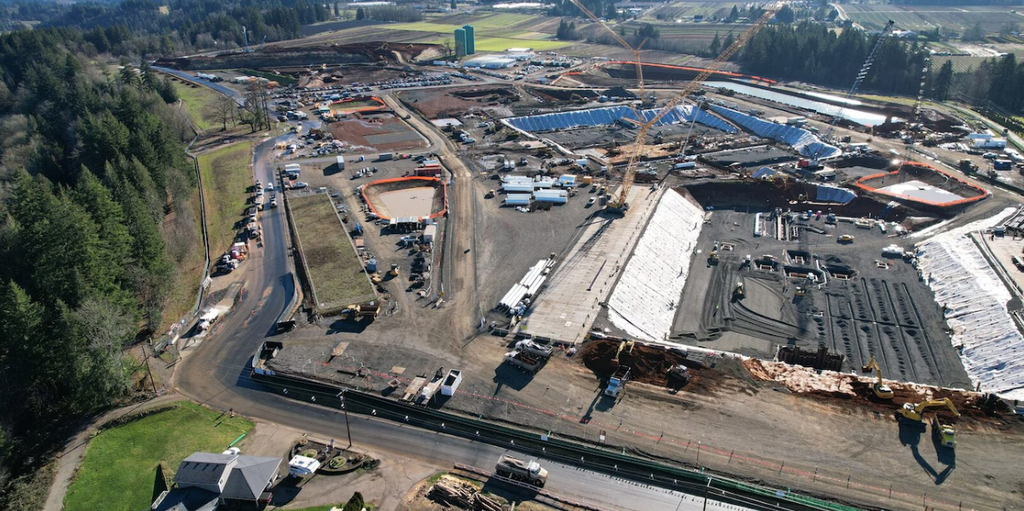
In March 2026, the City of Gresham completed a six-year transition away from relying on Portland’s Bull Run water system as its primary water source. Today, most Gresham drinking water comes from a locally controlled groundwater system developed through the Cascade Groundwater Alliance, a partnership between the City of Gresham and Rockwood Water People’s Utility District.
For homeowners, that change has raised some understandable questions.
Why did Gresham leave Bull Run? Why does the water taste different? Why are some people noticing more mineral deposits? And if groundwater was supposed to control costs, why didn’t everyone’s water bill go down?
Here’s the plain-language explanation.
Gresham Used Portland’s Bull Run Water for Decades
For many years, Gresham purchased much of its drinking water from Portland’s Bull Run system.
Bull Run is a surface-water source, while Gresham’s new primary supply comes from groundwater wells. That distinction becomes important because the two sources naturally have different mineral characteristics and use different treatment methods.
The decision to change wasn’t simply because something suddenly went wrong with Bull Run water.
A major factor was what Portland would have to spend on its own water system.
Portland’s Bull Run Filtration Project Changed the Equation
In 2017, Portland began planning a major filtration project for the Bull Run system to comply with drinking-water regulations concerning Cryptosporidium.
At the time, the filtration project was estimated at roughly $500 million.
That number didn’t stay at $500 million.
Portland’s current Bull Run Treatment Program funding is approximately $2.58 billion, with about $2.46 billion allocated to the filtration project itself. Portland attributes the increases to factors including inflation, construction costs, labor constraints, permitting requirements and project delays.
For Gresham, that mattered.
As a wholesale customer of Portland’s water system, Gresham had to consider what participation in those long-term infrastructure costs could mean for its own residents.
Gresham Chose Local Control Instead
Rather than continue depending primarily on Portland’s system, Gresham and Rockwood Water PUD expanded their existing groundwater resources through the Cascade Groundwater Alliance.
The project wasn’t simply a matter of drilling a few wells.
It included new wells, treatment facilities, approximately 10 miles of larger-diameter water pipeline, and new water-storage facilities.
According to the City, Gresham invested approximately $70 million over five years in building out the system. Federal financing included a $34 million low-interest WIFIA loan and a $4.5 million forgivable loan for treatment improvements.
The City’s stated objective wasn’t to make everyone’s water bill suddenly cheaper.
It was to gain greater local control and long-term cost stability.
So Why Didn’t My Water Bill Go Down?
This is probably one of the most reasonable questions Gresham residents have asked about the change.
If groundwater was less expensive than remaining tied to Portland’s increasingly costly filtration project, shouldn’t water bills have gone down?
The City says no.
Gresham specifically states that water rates were not expected to decrease when the transition occurred.
The City had already approved a five-year utility rate package beginning January 1, 2023. Those increases help fund water, wastewater and stormwater services, including construction and operation of the expanded groundwater system.
In other words, the City’s argument isn’t:
“We switched to groundwater, so your bill will be cheaper next month.”
It’s closer to:
“We are investing in our own system now to gain greater control over what Gresham customers may have to pay in the future.”
Whether residents believe that was the right trade-off is a separate question. But that’s an important distinction when discussing why the decision was made.
Why Does Gresham’s Water Taste Different Now?
If you’ve noticed a difference, you’re not imagining it.
Bull Run surface water and Gresham groundwater aren’t chemically identical.
The treatment process is also different. Bull Run water supplied to the area uses chloramine, while Gresham’s groundwater system uses free chlorine for disinfection.
Groundwater also contains more naturally occurring minerals than the previous surface-water supply.
That can affect things homeowners actually notice, including:
- taste and smell;
- water hardness;
- spotting on fixtures and glass;
- mineral scale over time.
Gresham says one of the largest contributors to hardness and spotting is silica, which isn’t removed through the current treatment process. The City removes iron and manganese during treatment.
Some people may barely notice the change. Others may notice it immediately.
Is Gresham’s Groundwater Safe to Drink?
According to the City of Gresham, yes.
The City states that its groundwater is treated to meet state and federal drinking-water standards and that homeowners do not need to purchase filters, softeners or purification systems for safety. Residents can still choose those products based on personal preferences regarding taste, hardness or mineral buildup.
That’s an important distinction because conversations about taste, minerals, cost and water safety can easily become mixed together.
They aren’t necessarily the same issue.
Water can taste noticeably different because its source, mineral composition and treatment method have changed without that automatically meaning it is unsafe to drink.
Why Did Gresham Make the Change?
Put simply, Gresham had two very different long-term paths in front of it.
It could continue relying heavily on Portland’s Bull Run system while sharing in the costs associated with major regional infrastructure improvements.
Or it could invest heavily in developing and controlling more of its own water supply.
Gresham chose the second option.
The Cascade Groundwater Alliance was the result.
The City describes the decision as an investment intended to provide safe drinking water while giving Gresham greater control over future costs, infrastructure and water resources.
That doesn’t mean every resident has to like the taste of the new water or agree with the City’s decision.
But it does explain why the change happened.
Where Can Gresham Residents Learn More?
For homeowners who want to dig deeper into the numbers, water chemistry or history of the project, we’d recommend going directly to the agencies responsible for the systems rather than relying on neighborhood speculation.
Useful official resources include:
City of Gresham – Cascade Groundwater Alliance
Information about the groundwater system, construction, costs, treatment and water quality.
City of Gresham – Groundwater Water FAQs
Answers about taste, smell, hardness, mineral deposits, filters, treatment and future costs.
Portland Water Bureau – Bull Run Filtration Project
Current information about the filtration project’s costs, construction and regulatory requirements.
Oregon Health Authority – Drinking Water Services
State information concerning Oregon public drinking-water systems.
Armadas Exterior isn’t affiliated with the City of Gresham, Rockwood Water PUD, Portland Water Bureau or the Oregon Health Authority. This article is intended to help explain publicly available information about a change affecting the community we serve.
Water and Your Home
Of course, drinking water isn’t the type of water we normally deal with at Armadas Exterior.
We’re much more concerned about the water that isn’t supposed to get inside your house.
In the Pacific Northwest, rainwater has to be managed as a complete exterior system. Your roof sheds it. Gutters collect and redirect it. Siding and properly installed flashing help keep it from entering wall assemblies.
When one part of that system fails, water can end up behind siding, around windows, beneath roofing or inside structural components—often long before the damage becomes obvious from the outside.
Armadas Exterior works throughout Gresham and the surrounding Portland Metro area providing roofing, siding, gutters, windows and exterior repairs designed to protect homes from the weather we live with every year.